
Power Mess: Retd Engineers call out govt over PSPCL, PSTCL exploitation; demands restoration of director’s termination, clear Rs 13K Cr dues etc
Kanwar Inder Singh/ royalpatiala.in News/ November 10,2025
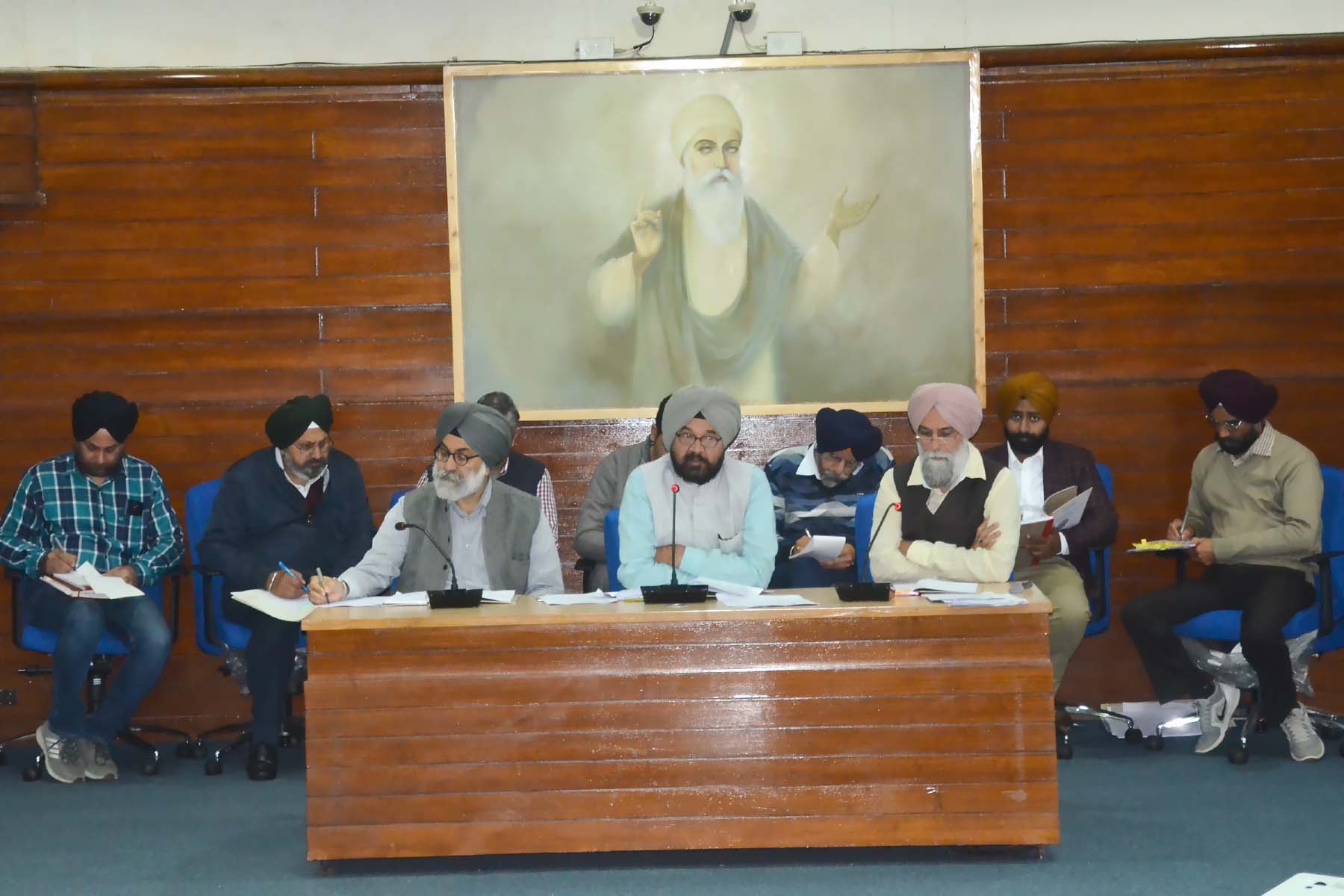
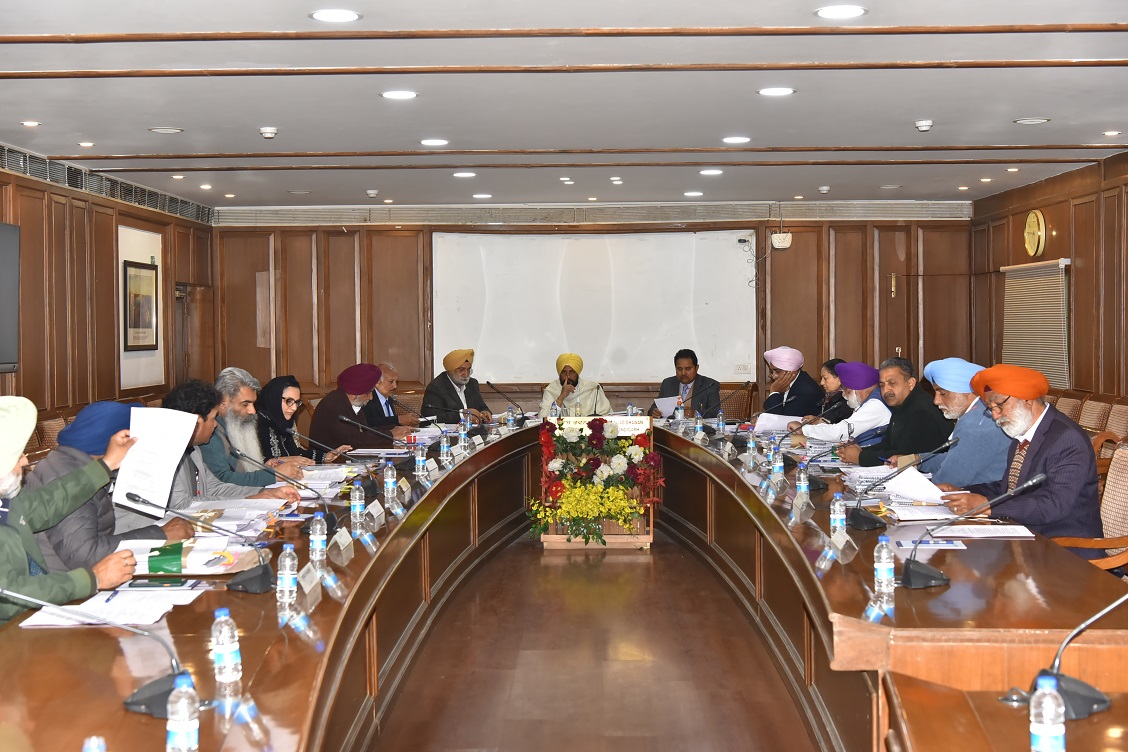
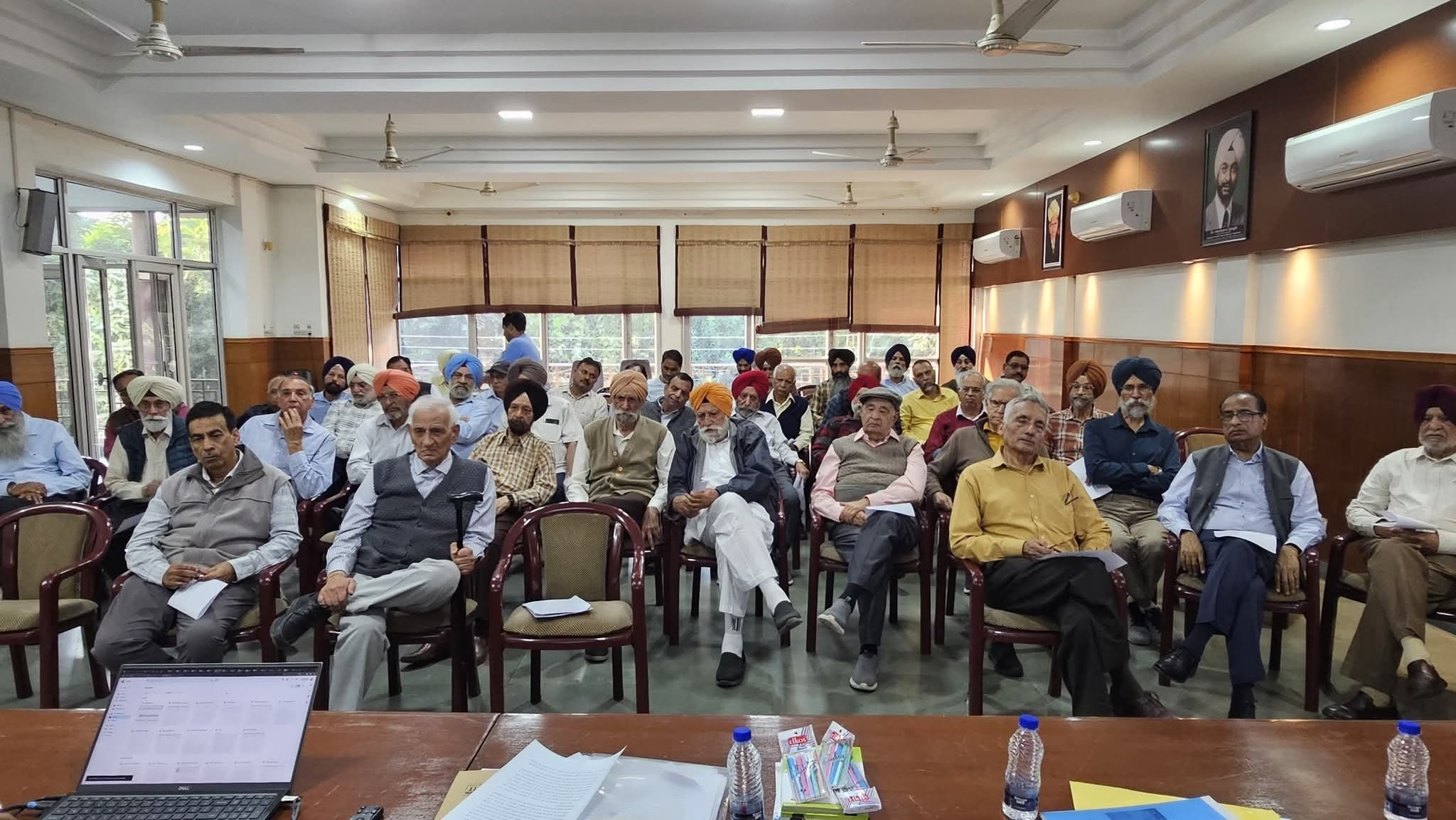
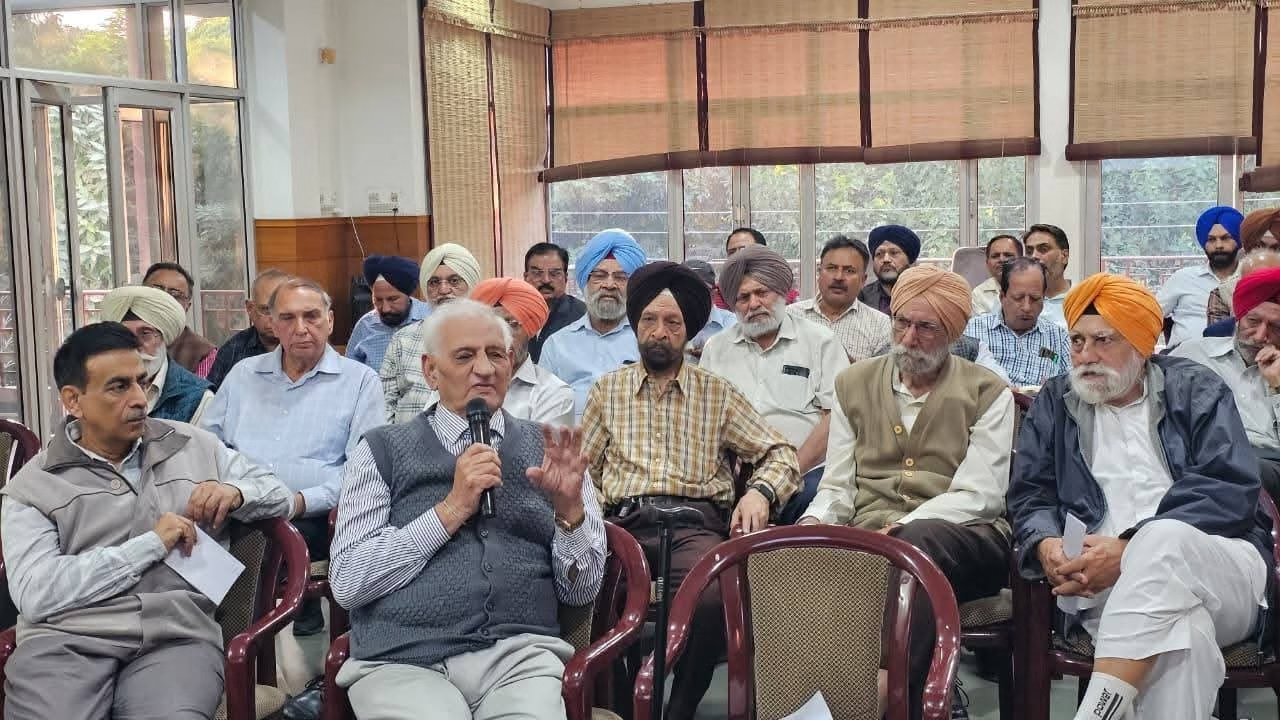
Senior retired powercom engineers from across Punjab convened a meeting on November 9,2025 at Patiala to deliberate upon the suspension of the Chief Engineer (RTP) and the removal from service of the Director (Generation). During the meeting, the senior engineering fraternity expressed deep disappointment over the growing political interference in the functioning of the power sector and the increasing disregard for technical expertise in decision-making processes.
The engineers also strongly criticised the involvement of private, non-technical consultants in core operational and policy matters, noting that such practices undermine professional autonomy, dilute accountability, and adversely affect the efficiency of the power sector. The house resolved to stand united in defending the dignity, professional space, and institutional role of engineers in the public electricity sector.
Later they have written a letter to the Chief Minister, Bhagwant Singh Mann and sought his intervention in solving their genuine issues:
“We, a group of retired engineers who have served the erstwhile Punjab State Electricity Board (PSEB), and later its successor entities—Punjab State Power Corporation Limited (PSPCL) and Punjab State Transmission Corporation Limited (PSTCL)—write to you with a deep sense of anguish and dismay. Each of us has devoted more than three decades of service to Punjab’s power sector. The sector is not merely our field of work—it is our life’s commitment and pride. We have seen it grow from a fledgling organisation into the very backbone of Punjab’s economic and social development. The electricity sector is the backbone of modern development. Reliable and affordable power drives industrial growth, fuels innovation, and enables social progress. From lighting homes and running hospitals to powering factories and digital infrastructure, electricity is the lifeblood of the economy. A strong and efficient electricity sector not only supports sustainable growth but also enhances the quality of life and strengthens national self-reliance.
Our national leaders, in their wisdom, recognised the centrality of electricity to India’s progress. That is why, even before the Constitution came into force, the Electricity (Supply) Act of 1948 was enacted to ensure autonomous and professional management of the power sector. It was strongly felt that for rapid progress in the electricity sector, its autonomous working was essentially required. This couldn’t be achieved under the government departments( as the electricity department was part of PWD till then), but autonomous Boards are a must.The vision was clear: technical institutions must be managed by technically competent professionals, free from day-to-day political interference.
The Electricity Act, 2003, reaffirmed this vision by introducing greater transparency, competition, and corporate governance, and by protecting utilities from arbitrary political control. The intent of Parliament was unambiguous—autonomy, professionalism, and accountability must form the foundation of the electricity sector.
The Articles of Association of both PSPCL and PSTCL clearly lay down detailed qualifications for the appointment of regular CMDs. However, since the reorganisation of the power sector in 2010, PSTCL has never had a regular CMD — the post has always been held as an additional charge by an IAS officer. Now, even in the case of PSPCL, since February 2025, no regular CMD has been appointed, and the charge has been handed over to the Secretary Power, who already holds charge of both companies. This is a clear violation of the principles of corporate governance, which demand independence, accountability, and proper checks and balances. The continued absence of a qualified technocrat as CMD has led to administrative ad-hocism and weakened the professional functioning of both utilities.
Regrettably, we observe that this very foundation is now being systematically undermined. Over the last few years, and alarmingly so in recent months, the autonomy of PSPCL and PSTCL has been eroded by growing and direct interference from government functionaries and political representatives.
PSPCL and PSTCL have unfortunately become milch cows in the hands of non-professionals, pushed to the brink of virtual bankruptcy. Rampant power theft continues unchecked, particularly in areas under the influence of powerful political figures where officials dare not take action. The estimated revenue loss due to theft runs into hundreds of crores. The government’s apathy is evident from the huge amounts of unpaid electricity subsidy of—about Rs10500 crore and outstanding bills of various government departments amounting to Rs 2500 crore. Such neglect and misuse have crippled the financial health of both utilities and eroded public confidence in their governance.
The inaction of the Punjab Government on the BBMB issues has become deeply troubling. The state’s authority and influence in the management of the Bhakra Beas system have steadily deteriorated. The recent mismanagement of reservoir levels was nothing short of atrocious mismanagement resulting in devastating floods, loss of life and property, and a significant drop in power generation. Such neglect reflects a dangerous apathy toward Punjab’s vital water and energy interests.
The Government of India has proposed major amendments to the Electricity Act, 2003, which could have far-reaching implications for the States. Unfortunately, the Punjab Government has so far failed to submit its comments on such a crucial legislative change. This indifference reflects the absence of full-time, technically competent leadership in the power sector, resulting in the State’s voice being conspicuously missing from vital national policy discussions.
Sir, we respectfully ask:
- Was this the purpose for which the Electricity Act of 2003 was enacted?
- Can PSPCL and PSTCL function effectively if every technical and administrative decision requires political clearance?
- What message does this send to the professional engineers who have served this state with integrity for decades?
The recent suspension of a Chief Engineer and the abrupt termination of the Director (Generation), Er. Harjit Singh, has shaken the faith of the entire power engineers’ fraternity.
In the case of the Chief Engineer, no preliminary inquiry was held, no opportunity for explanation was given, and the order was issued by the newly appointed CMD on his very first day of joining—an action for which he was not even competent.
The termination of Er. Harjit Singh is even more distressing. An officer of impeccable integrity and professional excellence has been summarily removed without a show cause notice or hearing. The reason cited—that the fuel cost per unit at GGSSTP, Ropar and GADTPS, Goindwal Sahib is higher than that of private thermal plants—reflects a serious lack of understanding and knowledge of power plant operation and costing.
Sir, how can a decades-old subcritical plant be compared with modern supercritical private plants operating with entirely different technology and efficiency levels? Would any rational comparison equate the fuel consumption of an old Ambassador car with that of a new hybrid vehicle and call it malpractice?
Had the decision-makers consulted even a single thermal expert, they would have known that the private plants — TSPL and NPL — operate on more efficient supercritical technology, whereas GGSSTP is an older subcritical plant. Naturally, older plants like GGSSTP have higher auxiliary consumption and their ageing units further affect thermal efficiency. Because of its higher heat rate, GGSSTP ranks lower on the merit order of dispatch and is therefore required to absorb load fluctuations, leading to additional fuel consumption. Moreover, the station heat rate (or variable cost on account of coal) quoted by private plants is merely a commercial parameter used for tariff determination and billing — it does not reflect the actual operating heat rate. In contrast, for PSPCL’s own plants, the coal cost is based on actual consumption, making the two parameters incomparable.

There has been a misleading impression that PSPCL is incurring a higher cost on coal sourced from its own Pachhwara coal mine. Pachwara coal mine was operationalized in December 2022 . Actually, there has been an estimated saving of around Rs 500 crore annually, and this benefit will continue for the next 30 years. This is due to the better quality of coal.
It is being projected in the media that the real reason behind the recent hasty decisions is the signing of a 150 MW Solar PPA without the Minister’s consent, allegedly at a high rate of Rs.5.13/Rs.5.14 per unit when power is available at Rs.3 per unit. This is a complete distortion of facts. The comparison being made is with pure solar power priced around Rs.3 per unit, which is infirm power — available only during daylight hours and not during evening peaks or non-solar hours. In contrast, the proposed 150 MW PPA was for Round-the-Clock (RTC) power, comprising solar, wind, and battery storage. The performance criteria under this arrangement required a minimum 80% annual supply, at least 75% monthly availability, and a minimum 90% supply during the 4-hour evening peak period. Such RTC power typically costs around Rs.6 per unit. This particular offer was made by the Solar Energy Corporation of India (SECI) — a Government of India undertaking — and the price was discovered through transparent competitive bidding as per Ministry of Power (MoP) guidelines. The proposal was thoroughly evaluated by a committee comprising five Chief Engineers and two senior Finance officers, and after due consideration, it was approved by the full Board of PSPCL which include CMD, full-time Directors, and two Government representatives (the Secretaries of Power and Finance), besides a senior woman IAS officer. The PPA was duly signed, subject to final approval from the Punjab State Electricity Regulatory Commission (PSERC). However, before PSERC’s approval could be sought, the Minister verbally directed PSPCL not to pursue regulatory clearance and to discard the PPA altogether — a decision that raises serious concerns about procedural propriety and transparency.
These are basic technical facts—ignored in haste, and at great institutional cost.
The arbitrary suspension and termination of senior officers have struck a severe blow to the faith and confidence of the entire power engineers cadre. A sense of fear and uncertainty has taken hold, discouraging initiative and independent decision-making. This is deeply harmful to a sector that demands technical judgment, continuity, and trust.
We therefore urge you, Sir, to kindly:
- Immediate withdrawal of the termination order of Er Harjit Singh Director/ Generation and the Suspension order of Er. Harish Sharma CE, GGSSTP, Ropar
- Order an impartial inquiry, headed by a retired High Court Judge and assisted by experts from NTPC/CEA and a legal expert familiar with private PPAs.
- Restore the autonomy and dignity of PSPCL and PSTCL by halting political interference in their day-to-day functioning.
- Reinforce the principles of corporate governance and professionalism that underpin the Electricity Act, 2003.
If the power utilities of Punjab are reduced to routine government departments, the state’s power supply, finances, and institutional credibility will suffer irreparable damage.
We appeal to you, as the head of the State Government, to act swiftly and decisively—to uphold the integrity of the institutions that have faithfully served Punjab for decades.