
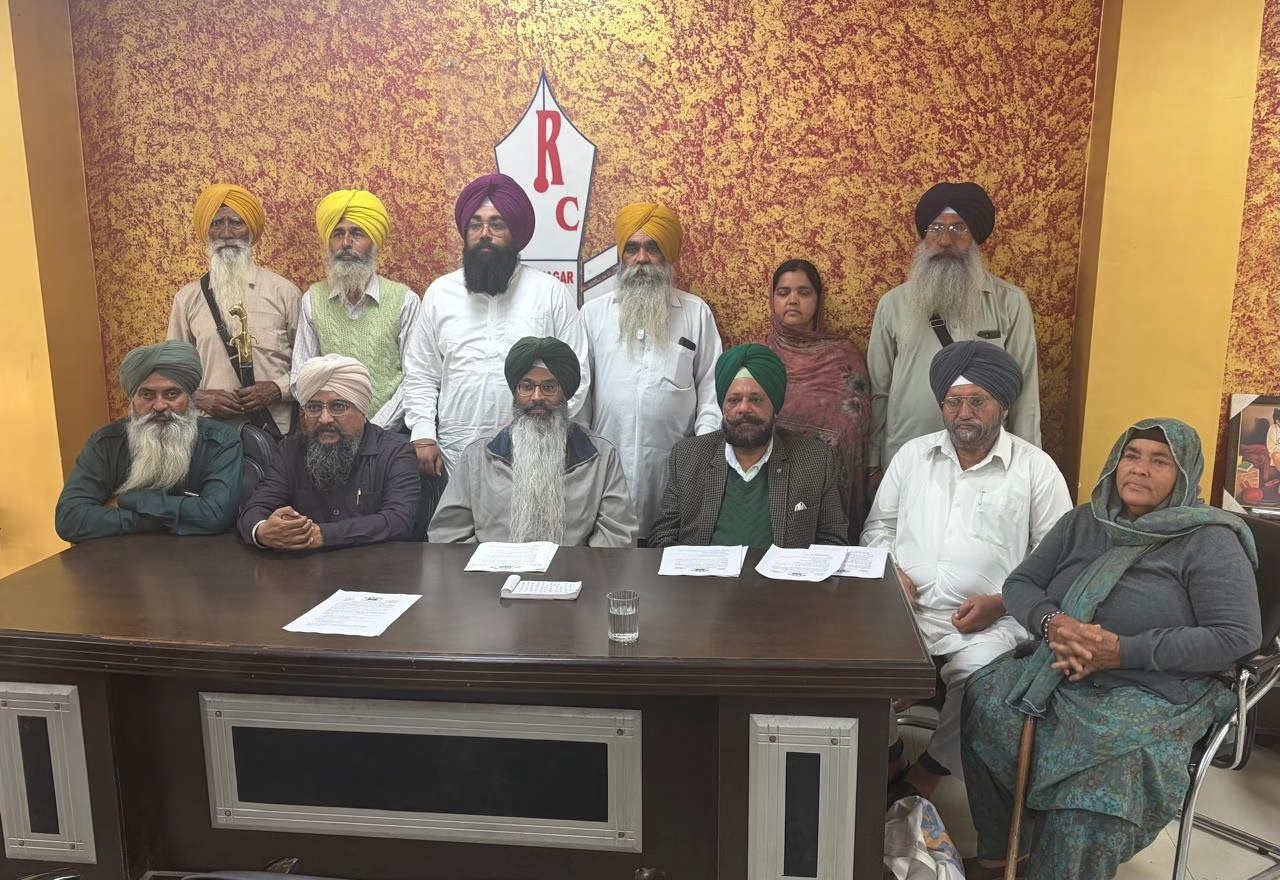

SAD (A) raises five concerns ;to hold political conference on Hola Mohalla on March 3
Bahadurjeet Singh/royalpatiala.in News/ Rupnagar, February 25,2026. The Shiromani Akali Dal (Amritsar) has placed before the people of Punjab and the Union of India five urgent concerns rooted in constitutionalism, ecological responsibility, peace, pluralism, economic dignity, and political imagination
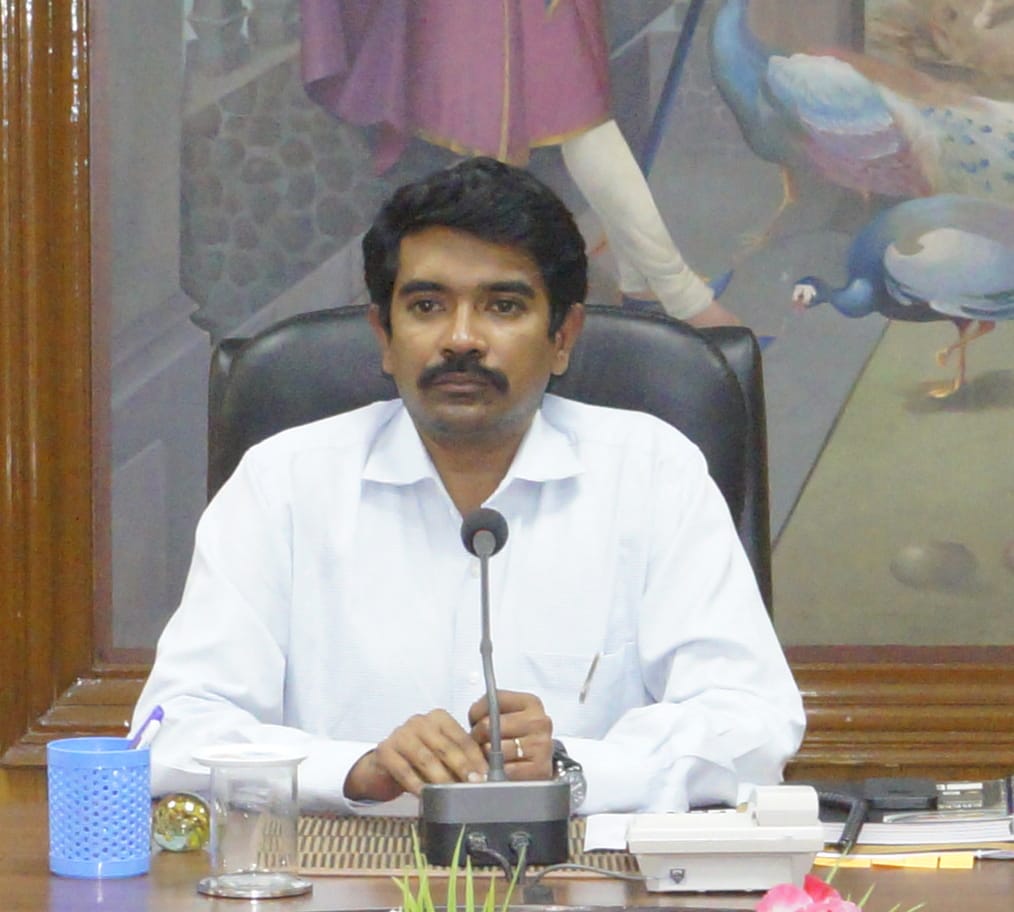
While addressing a press conference here today party acting president Emaan Singh Mann said that party would raise these concerns during its political conference on Hola Mohalla at Anandpur Sahib on March 3, 2026.
He said that Punjab is not merely a border state; it is a civilizational region shaped by rivers, sacrifice, sovereignty of spirit, and resilience. Its future must not be jeopardized by administrative shortcuts, militarized reflexes, cultural imposition, or economic isolation.
He said that Shiromani Akali Dal (Amritsar) stands for Ecological accountability, Peace over militarization,Trade over isolation, Religious autonomy and pluralism, A republic grounded in equality the vision of Begumpura.
Environmental Impact Assessments Cannot Be Abrogated in the Name of “Security”
He said that the reported dilution or bypassing of Environmental Impact Assessment (EIA) requirements under the pretext of “security concerns” is deeply alarming. Punjab is a fragile riparian civilization shaped by the rivers of the Indus basin. Any large-scale irrigation project, hydropower scheme, dam, barrage, or inter-basin water transfer particularly those shifting water from the Indus basin toward the Yamuna Gangetic basin carries irreversible ecological consequences.
Environmental Impact Assessments are not bureaucratic hurdles; they are scientific safeguards. They:
Assess cumulative flood risks and hydrological stress.
Prevent canal overloading that leads to breaches and recurrent flooding.
Protect groundwater recharge systems.
Safeguard agricultural soils from salinization and waterlogging.
Preserve long-term geographical stability.
If canal systems are expanded or re-engineered without transparent, cumulative EIAs,
Punjab risks:
The return of destructive flood cycles.
Loss of topsoil and agrarian productivity.
Permanent alteration of river courses.
Ecological displacement of communities.
No “security” justification can override ecological science and constitutional
environmental protections. Punjab has already borne the brunt of partition,
militarization, and hydrological diversion. It cannot be subjected to unilateral
experimentation again.
We demand:
Mandatory, transparent, cumulative EIAs for all major hydrological projects.
Public hearings within Punjab.
Independent river-basin scientific review panels.
To dilute EIA requirements is to gamble with the future geography of Punjab itself.
Peace Over War Punjab Must Not Become a Battlefield
He said that recent escalatory postures following tragic killings in Kashmir have once again pushed the region toward the brink of war with Pakistan. The killing of civilians of any faith is condemnable and tragic. However, escalating to war places the gravest burden on Border States: Punjab, Jammu, and Kashmir.
Punjab is a frontline state. War would be fought over our land, our towns, and our farms.
There is a troubling contradiction that must be addressed:
In 1984, thousands of Sikhs were massacred in India.
Sajjan Kumar faced prosecution only after decades of delay.
Jaswant Singh Khalra exposed enforced disappearances and paid with his life.
Chittisinghpura massacre saw Sikhs killed in Kashmir.
Hondh-Chillar massacre wiped out an entire Sikh village in Haryana.
Today, international investigations surround the killing of Hardeep Singh Nijjar and allegations concerning Gurpatwant Singh Pannun abroad.
If the State’s response to large-scale Sikh killings has often been delayed or inconsistent, then escalating to war in other contexts raises serious moral and constitutional questions.
We state clearly:
Punjab does not seek war.
Punjab seeks peace, diplomacy, and stability.
War must never be the default political response.
Justice must be consistent. Accountability must be universal. Punjab must not again
become a theatre for geopolitical confrontation.
Trade Is Essential for Punjab’s Future
He said that Punjab has historically been a gateway of trade linking the subcontinent to Central Asia. Partition severed our ancestral trade arteries. Continued hostility has kept them closed.
We call for:
Restoration and expansion of trade routes through Pakistan.
Access to Afghan, Iranian, and Central Asian markets.
Energy corridors, including gas pipelines from Turkmenistan.
Modernization of cross-border trade infrastructure.
Trade is not weakness; it is strategy. Economic integration can:
Reduce logistics costs for northern India.
To open new export markets for agriculture and industry.
Provide access to affordable energy supplies.
Generate employment in border districts.
Potentially contribute measurable GDP growth even a 1% national increase would be transformative.
Punjab’s youth require markets, mobility, and opportunity not bunkers and barbed wire. Peace and trade are mutually reinforcing. Conflict and isolation are economically destructive.
Protection of Sikh Religious Identity and Opposition to Cultural Imposition
He said that at Hola Mohalla the historic moment when the Khalsa was created Sikhs commemorate sovereignty of spirit, equality, and disciplined courage. The Khalsa stands for justice, dignity, and resistance to imposed hierarchy.
Sikh theology is unequivocal: devotion is to the One Formless Creator (Ik Onkar), and spiritual discipline centers on Naam Simran.
Therefore:
Compulsory or state-sponsored promotion of “mother worship” narratives under slogans such as “Vande Mataram” is objectionable to Sikh doctrine.
Yoga, when embedded with ritual salutations to deities, cannot be presented as religiously neutral for Sikh students.
The State must not impose any religious-cultural framework under the guise of nationalism.
If certain cultural practices are promoted by the State, parity demands:
Equal support for Gatka.
Recognition of Sikh martial and physical traditions.
Support for indigenous disciplines such as Kushti and other regional practices.
Secularism requires neutrality not selective patronage.
Begumpura The Ideal We Stand For
He said that at Hola Mohalla, where the Khalsa was inaugurated as a sovereign spiritual order, we have historically articulated the aspiration for Khalistan not as a project of exclusion, but as a vision of dignity, equality, and self-respect.
However, we state clearly: the ideal that Khalistan stands for is not narrow nationalism. It is the moral vision of Begumpura a land without sorrow, without caste hierarchy, without inherited stratification.
The concept of Begumpura, articulated by Bhagat Ravidas, imagines:
A polity free from inherited hierarchy.
A state grounded in universal dignity.
A republic that does not privilege one varna imagination over others.
The name “Bharat” emerges from civilizational narratives intertwined with varna classification. Texts such as the Manusmriti historically reinforced hierarchical social orders that constrained political imagination for many communities.
We therefore invite democratic reflection: if the Republic truly aspires to equality, should it not embody a name and vision consistent with egalitarian ideals?
While constitutional change requires national consensus, we suggest that renaming the Republic to Begumpura would symbolize a moral departure from hierarchy toward equality.
Strengthening Punjabi in administration, education, and public life is equally essential. Linguistic dignity is inseparable from political dignity.
He said that Punjab has sacrificed immensely for this Union. Its rivers, its soil, its faith, and its people deserve constitutional respect not environmental bypass, cultural imposition, or geopolitical brinkmanship.
“We call upon the Government of India and the Government of Punjab to engage in dialogue, diplomacy, transparency, and constitutional fidelity”,he said.






 raises five concerns ;to hold political conference on Hola Mohalla on March 3.)